issue 20·
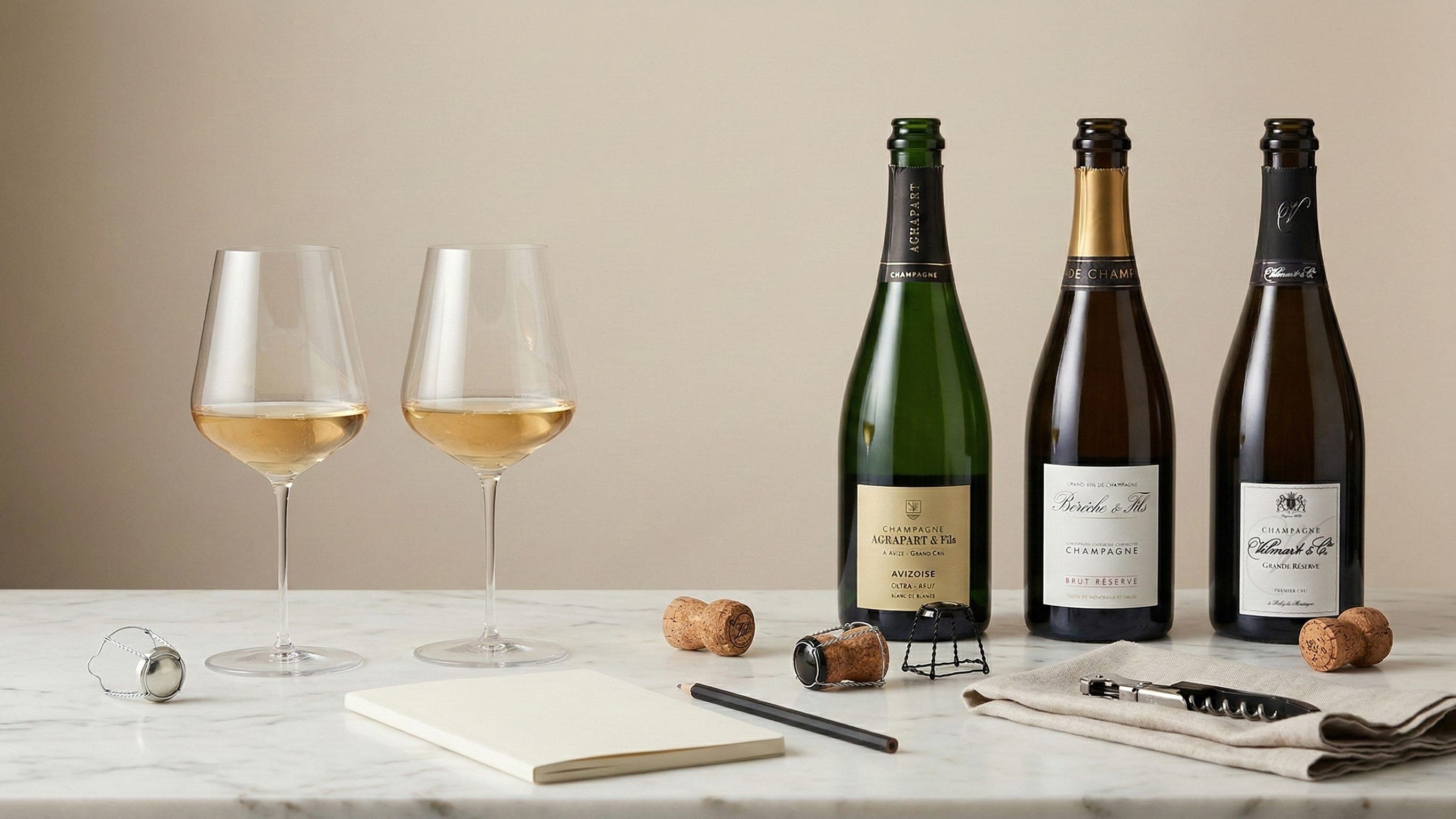
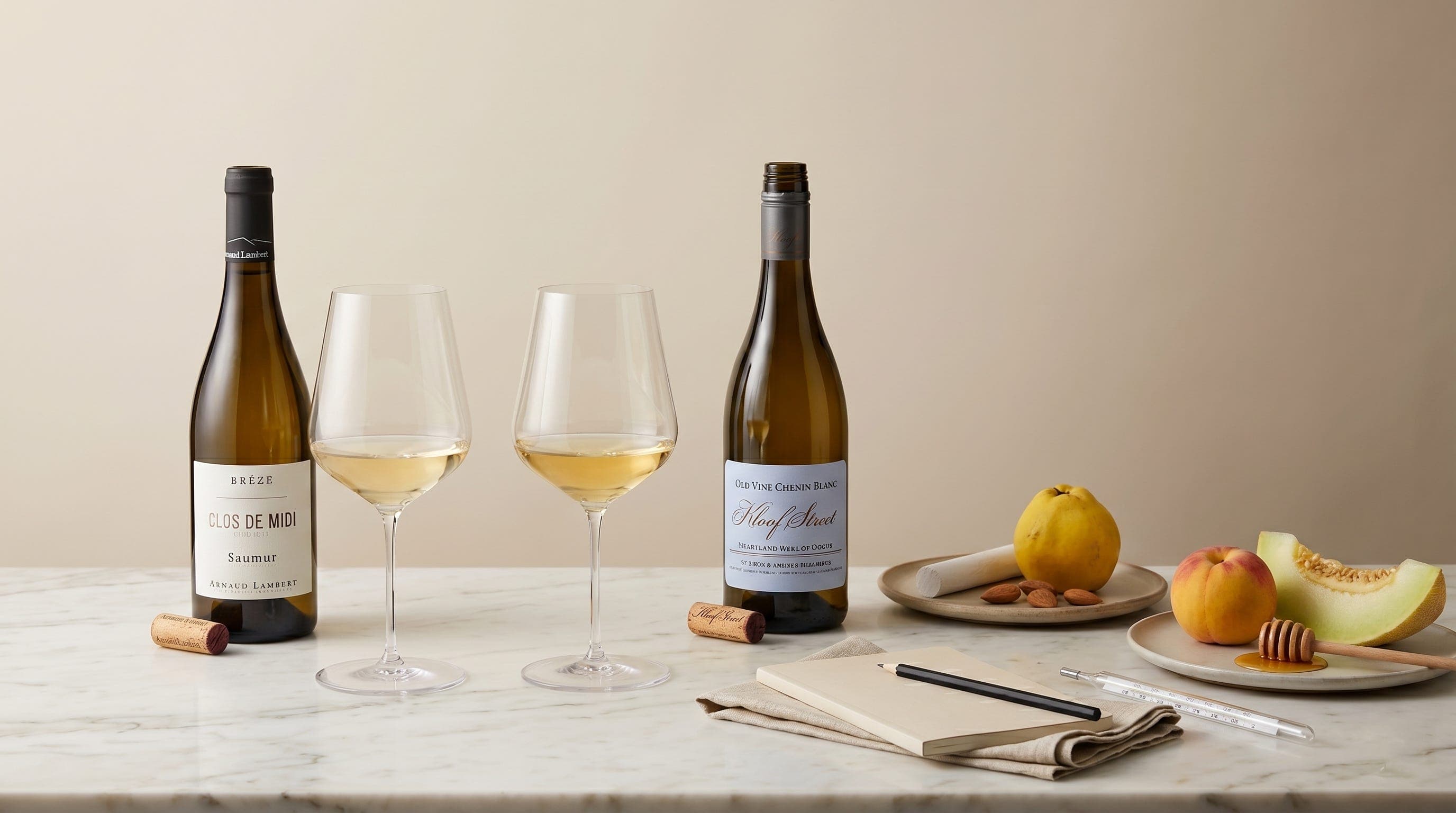
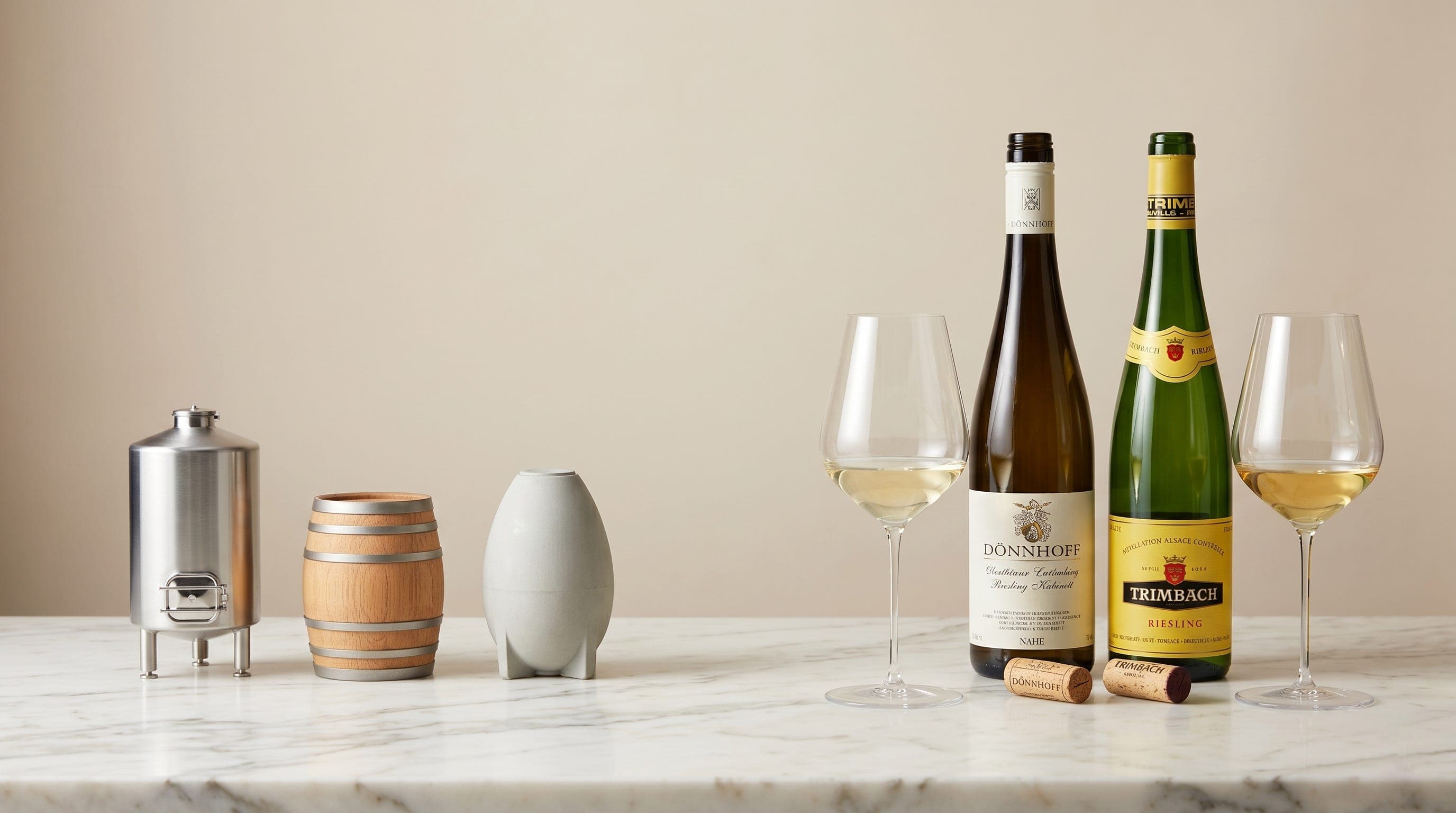
How the Same Grape from Two Climates Creates Two Completely Different Wines
Cool or warm, the vineyard's climate sets a wine's sugar, acid, and alcohol before fermentation starts.
Read Issue
Every issue of The Polished Palate. Each stands alone. Start anywhere that calls to you.
Cool or warm, the vineyard's climate sets a wine's sugar, acid, and alcohol before fermentation starts.
A $1.36 billion sale ended the family's claim to the label. What they kept couldn't be sold.
One quarter, eleven issues, one shift: you started tasting choices where you used to taste magic.
The business rewards volume and penalizes moderation. That's finally starting to crack.
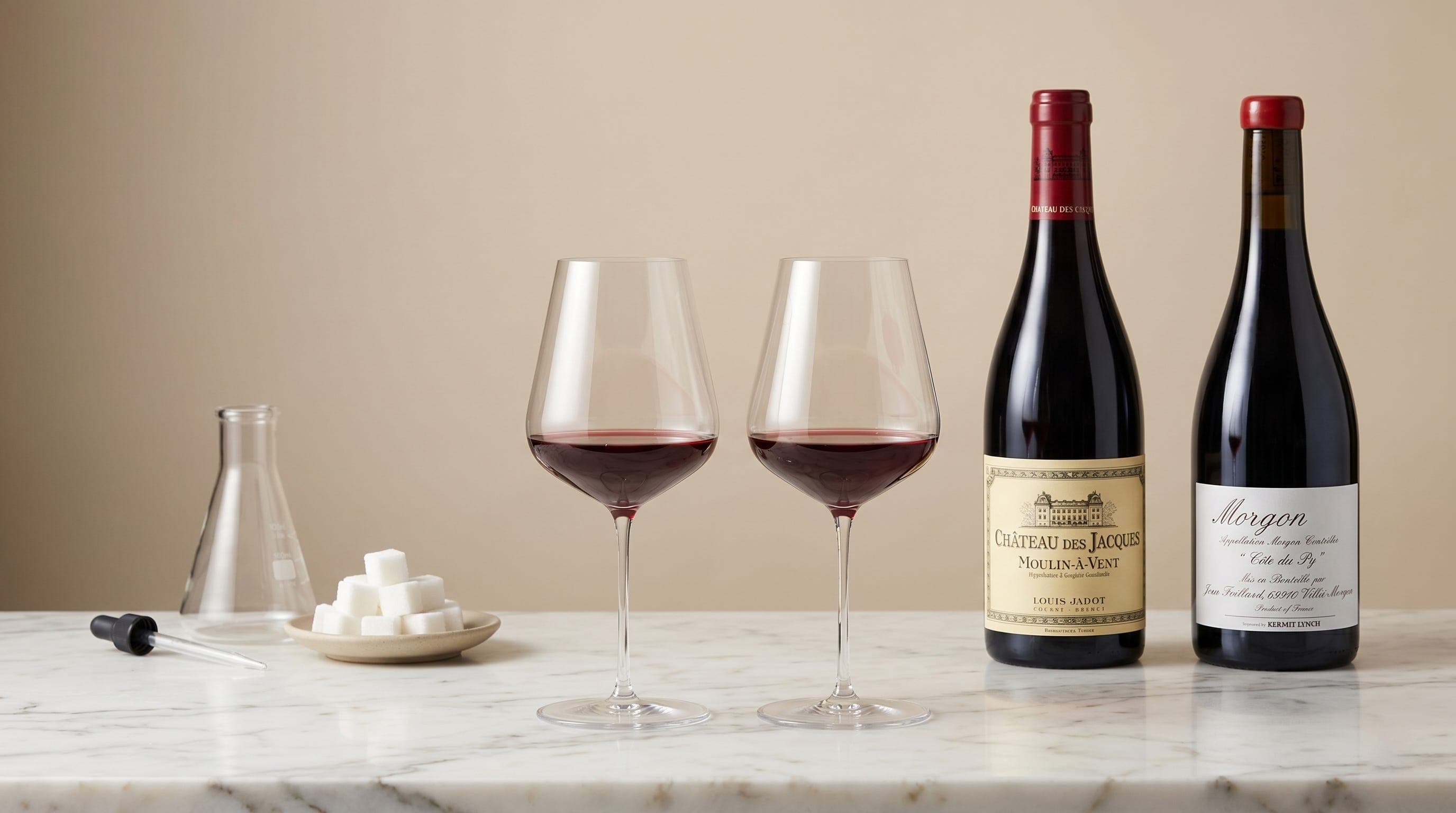
Cultured yeast, fining agents, added sugar, and sulfur all go in. Here's how to taste the difference.
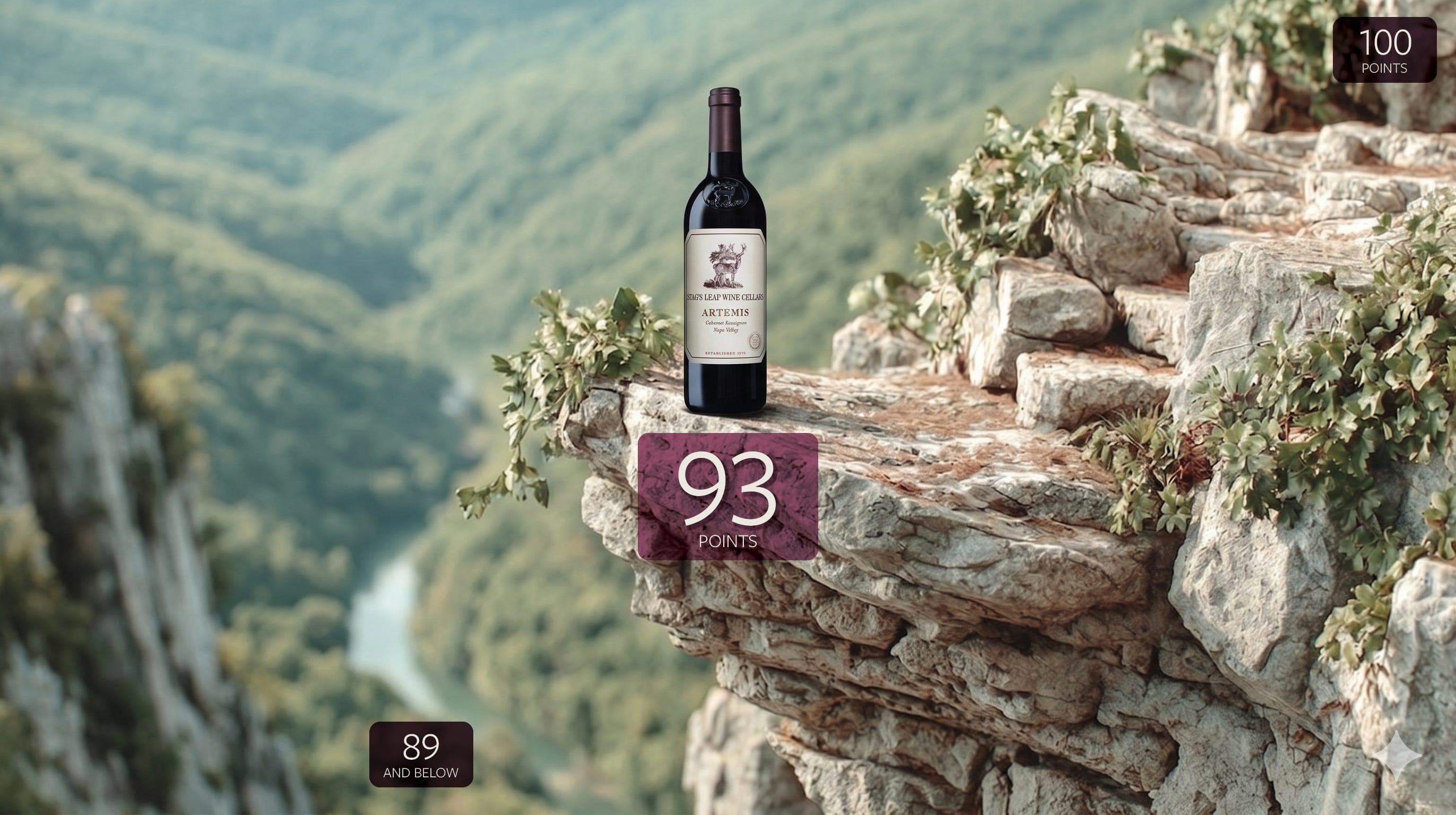
The scale promised objectivity. The economics and the science tell a stranger story.
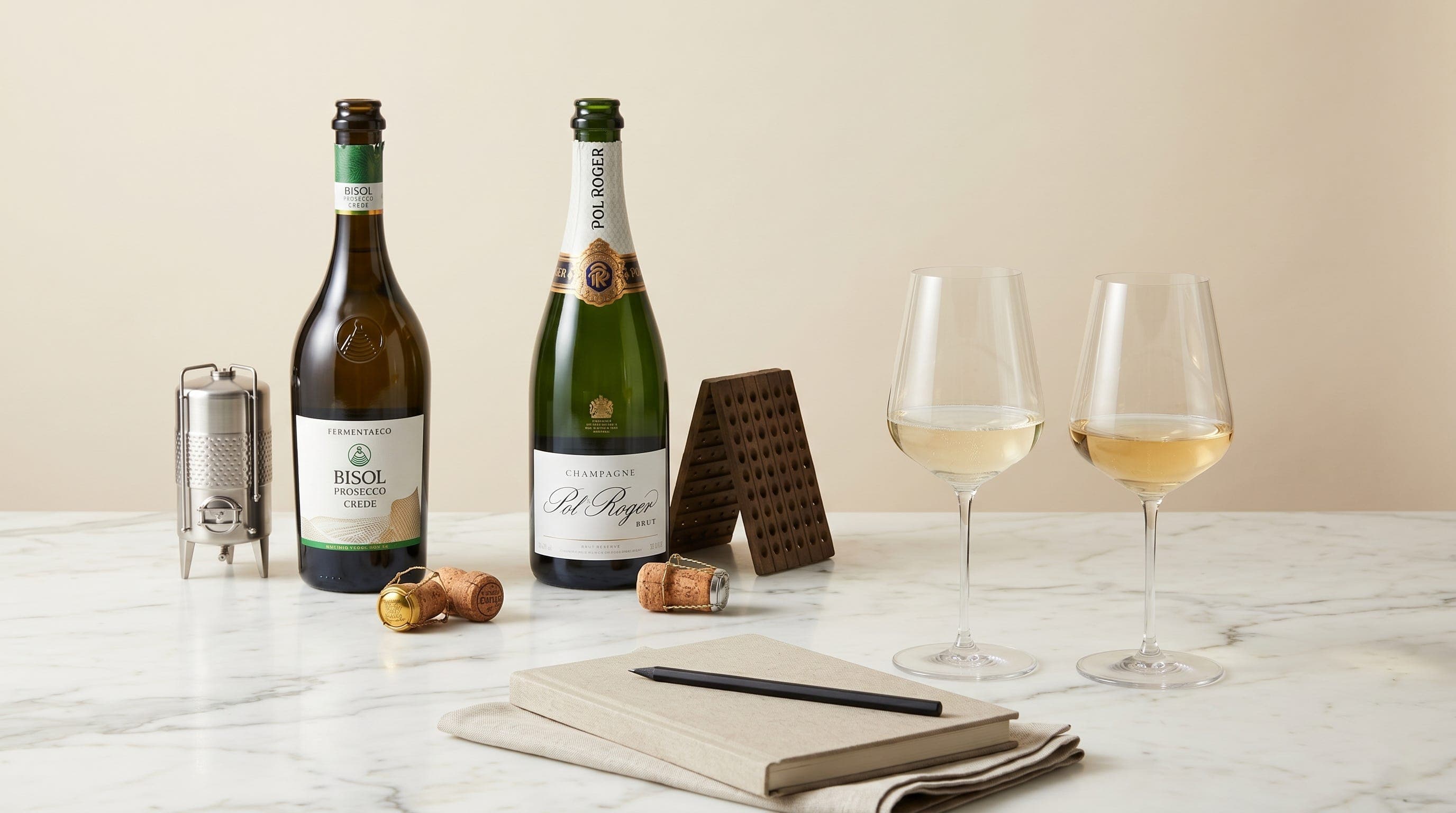
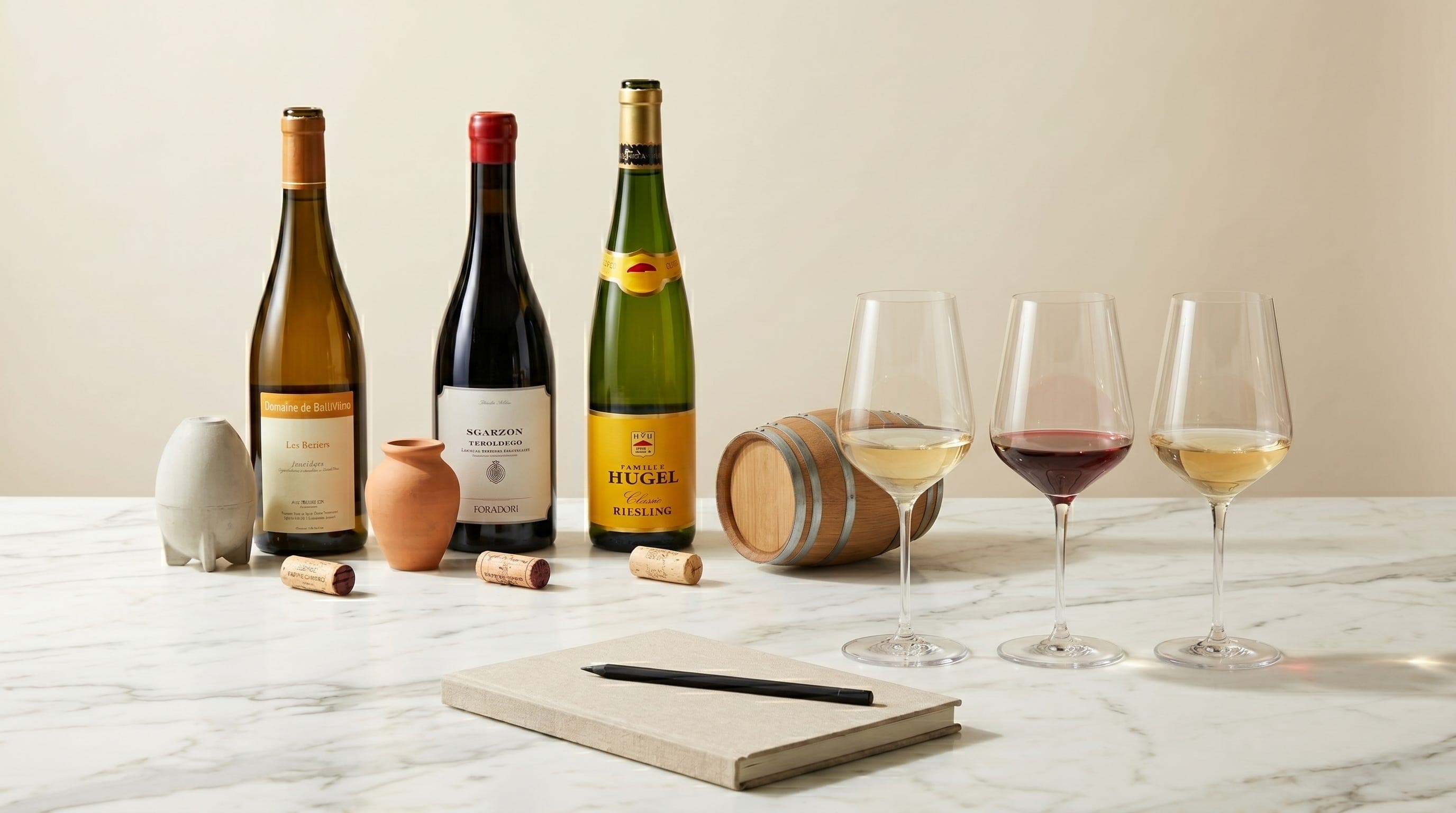
Vessel, method, and blend: one Saturday afternoon each.
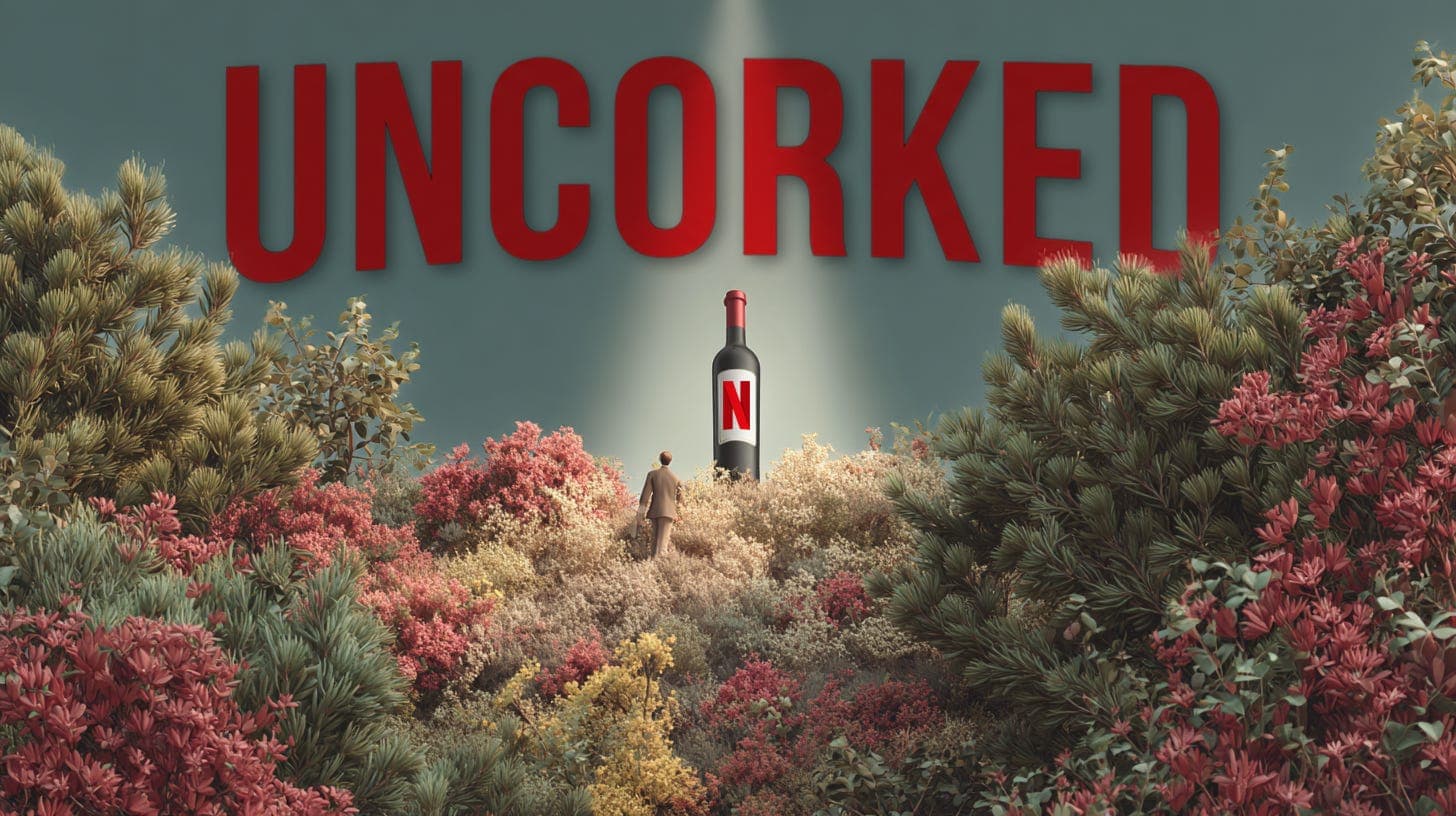
Before Netflix's Uncorked, the wines that made and unmade Napa's mythology.
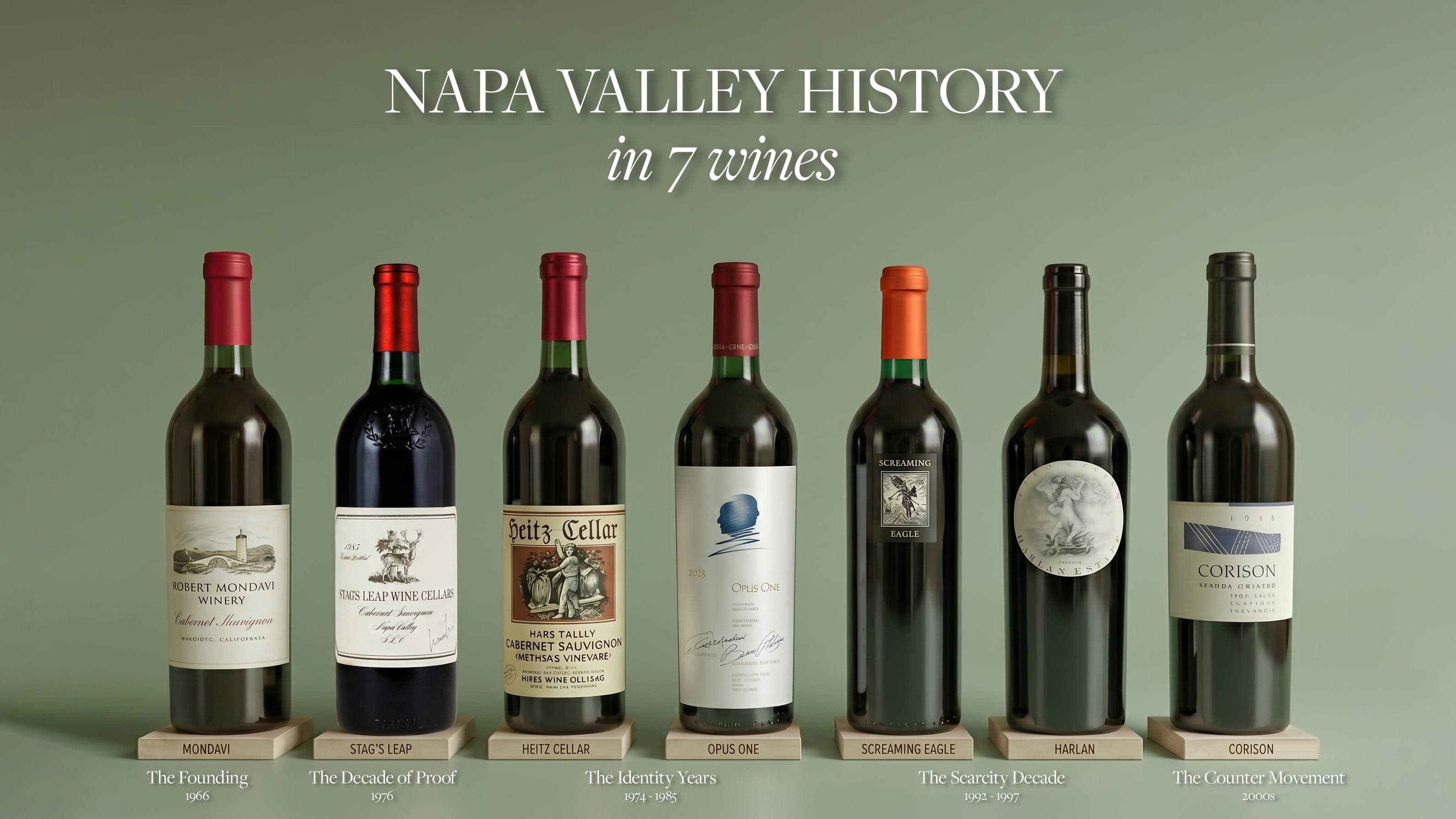
The hidden role of lees: bread, cream, and texture explained.
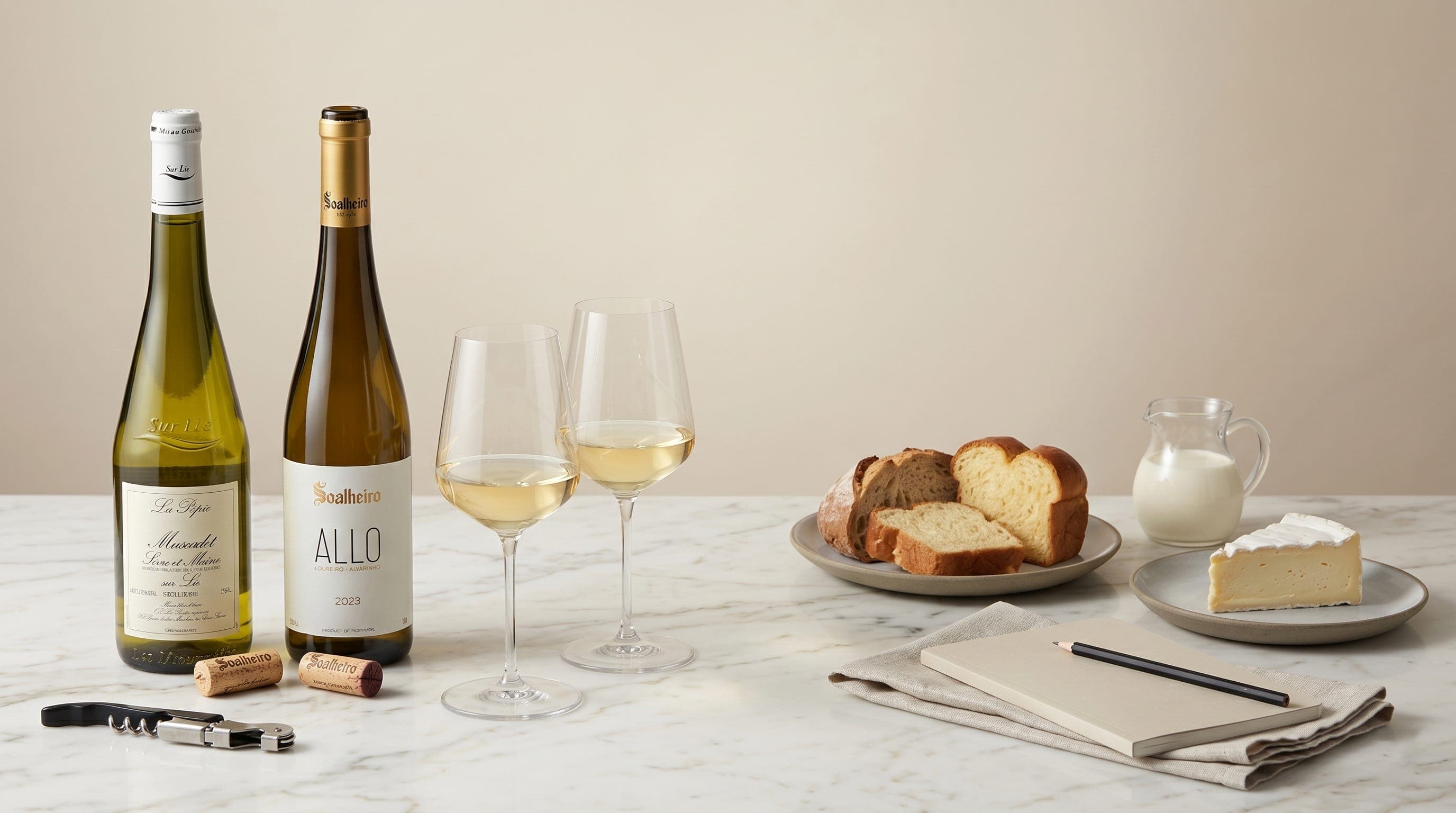
What 2004's wine moment can teach us about the one coming next year.
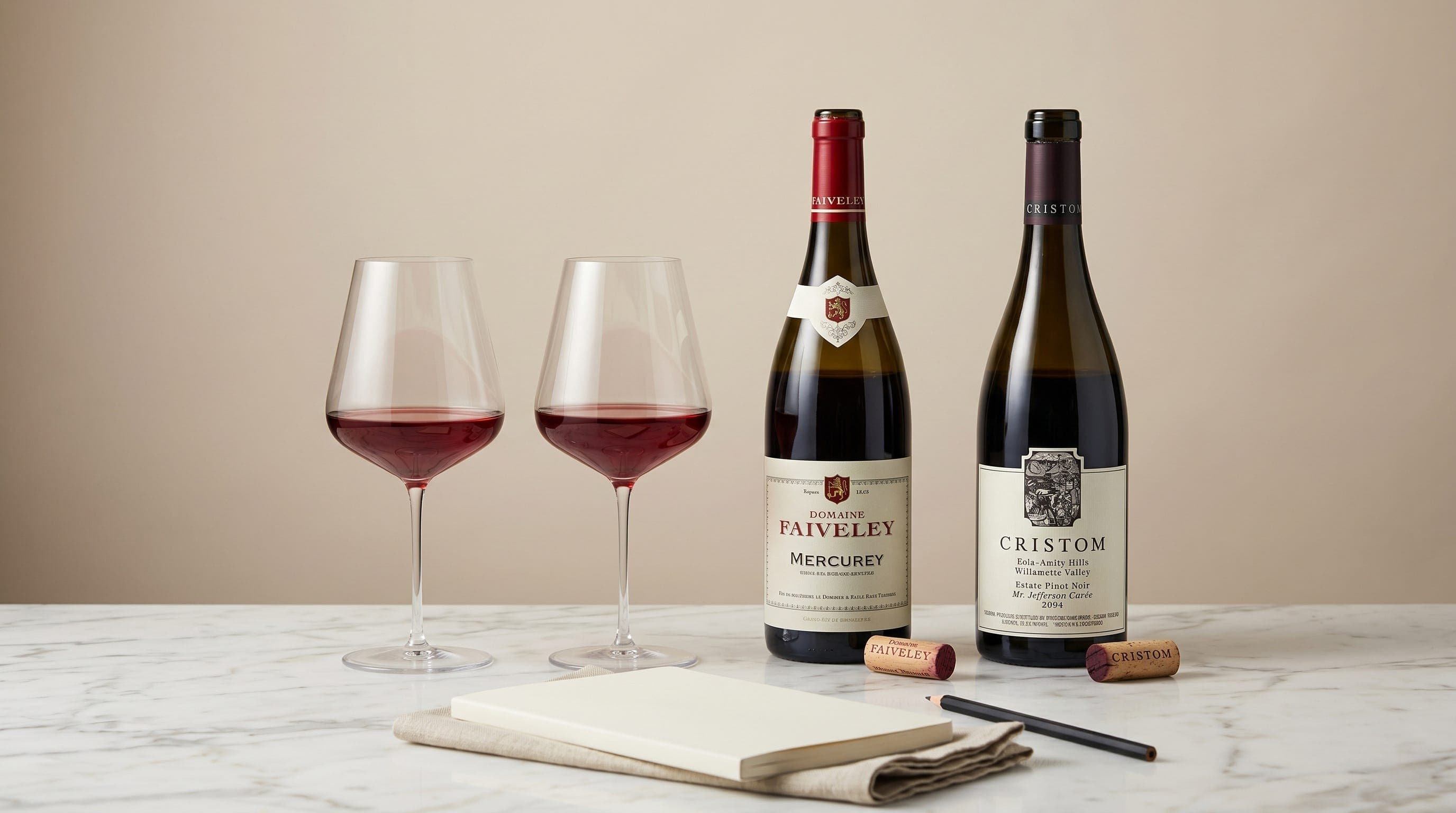
Vertical, horizontal, axial: a working method for the wines that actually move you.
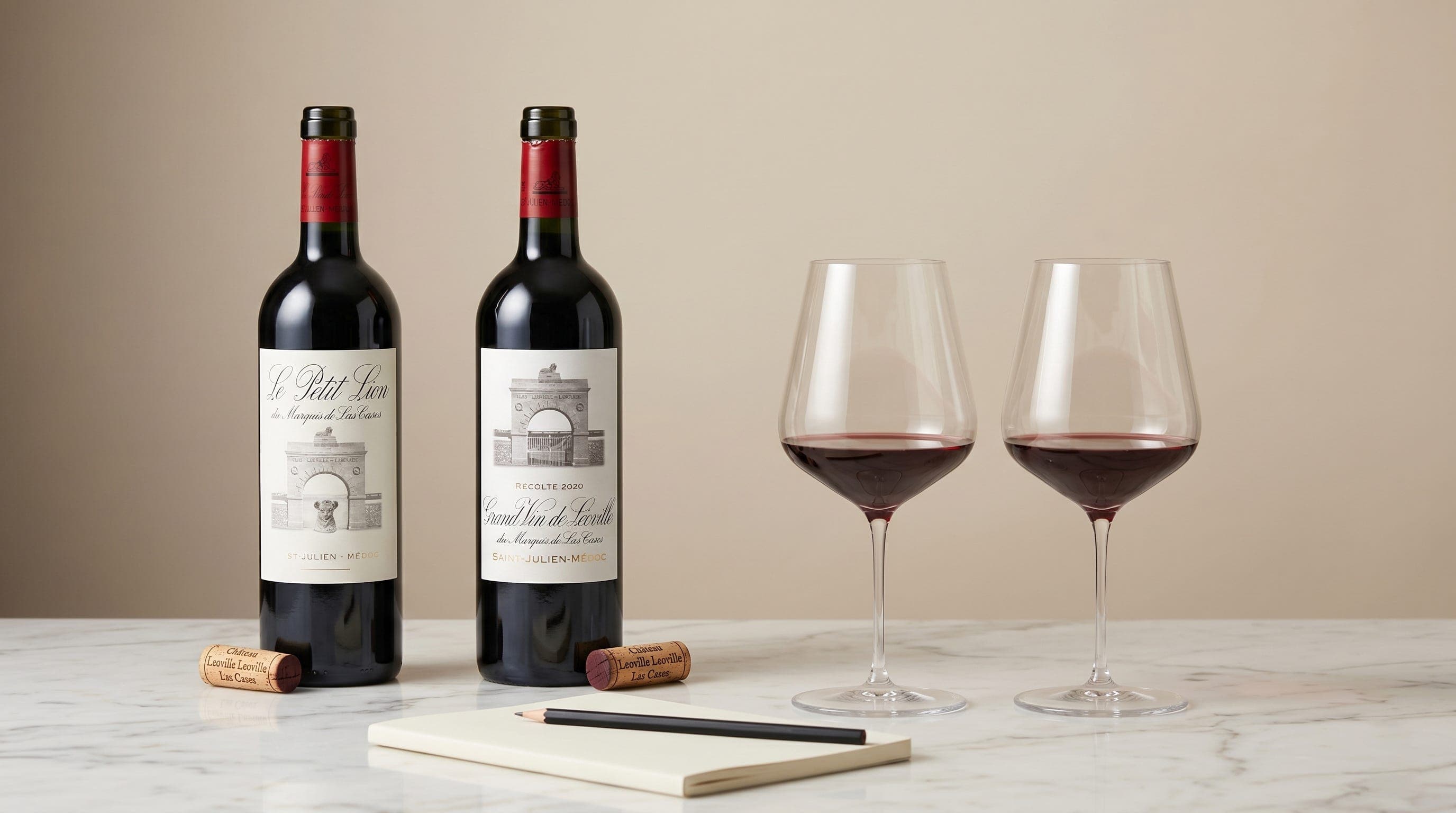
The most important Bordeaux you'll never drink is the one the winemaker rejected at the bench
Concrete, clay, and large-format oak each solve a different problem.
Three variables explain most of what's in your glass.
Memorizing regions and grapes never built confidence. Here's what does.
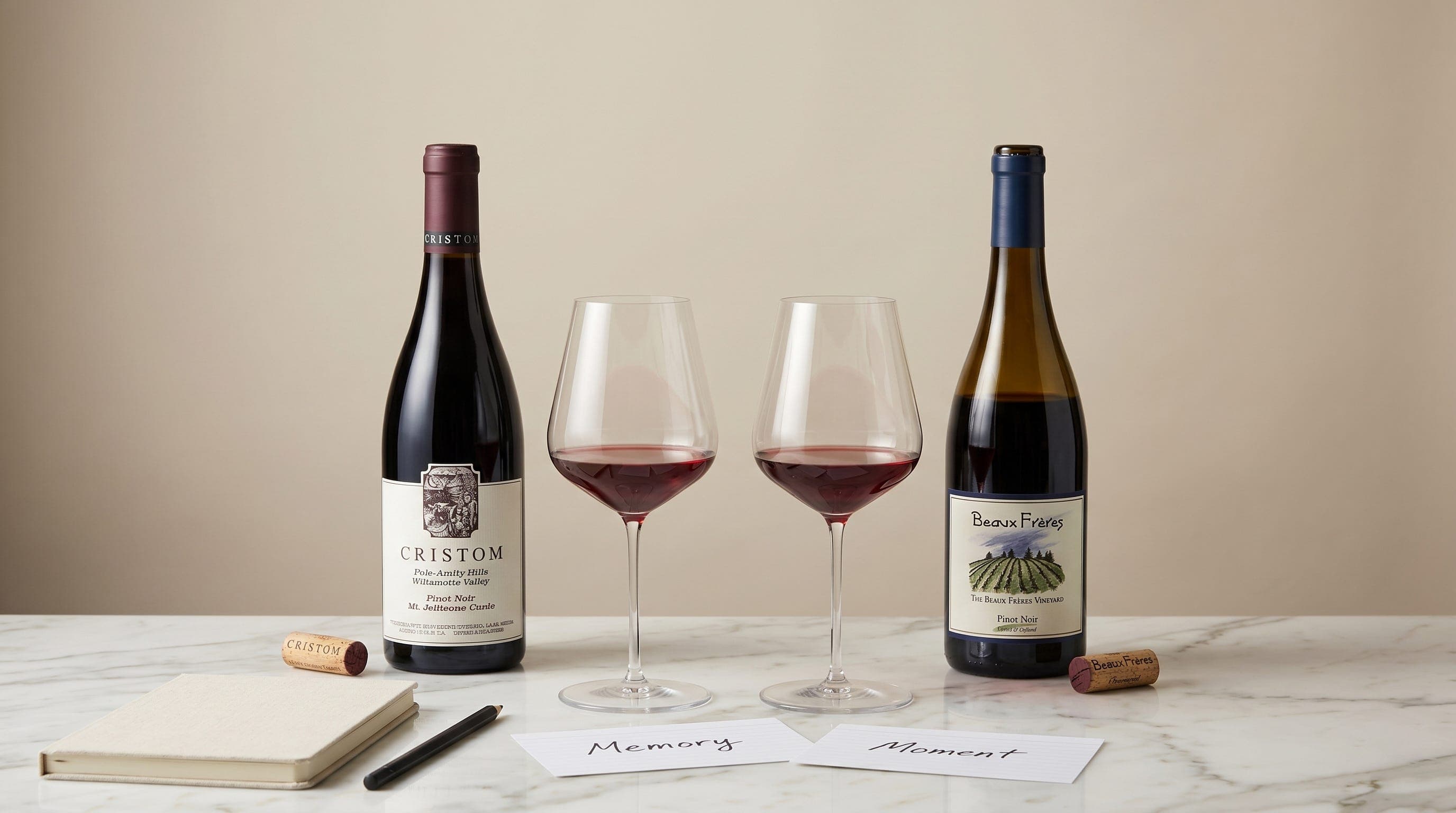
And the one question that tells you instantly whether a wine has it.
That flinty, stony quality in wine? It's not coming from the soil. Here's the real science.
Sam Parr just told 1.5 million people that taste is a moat. The New Yorker, New York Times, and Silicon Valley also weighed in this week. Here's what they're missing.
Understanding how oak works is the first step to knowing what you're drawn to and why
What 11 weeks taught me about how taste actually develops