1 Big Idea
Most wine advice tells you what to think. I’m going to teach you what to notice.
This is the part most wine education skips entirely. They jump straight to regions, grapes, vocabulary. They assume you already know what resonates and just need words for it.
Thanks for reading The Polished Palate! Subscribe for free to receive new posts and support my work.
Most people don’t. Not because they lack taste, but because they’ve never really paid attention.
Last week, I introduced The Resonance Method: five stages that build discernment from perception first, knowledge second.
This week, we’re going deep on Stage Two: Notice Resonance.
Resonance is the signal. The sensation of something landing differently. You don’t need expertise to feel it. You need stillness.
Here’s the problem: most tasting experiences are noisy. Conversation, context, labels, prices, expectations. By the time you lift the glass, you’ve already decided how you should feel. Resonance gets buried under performance.
Today’s exercises train you to notice the signal before you override it.
3 Taste Experiments
#1: The Pause Test
Objective: Identify which wine makes you slow down.
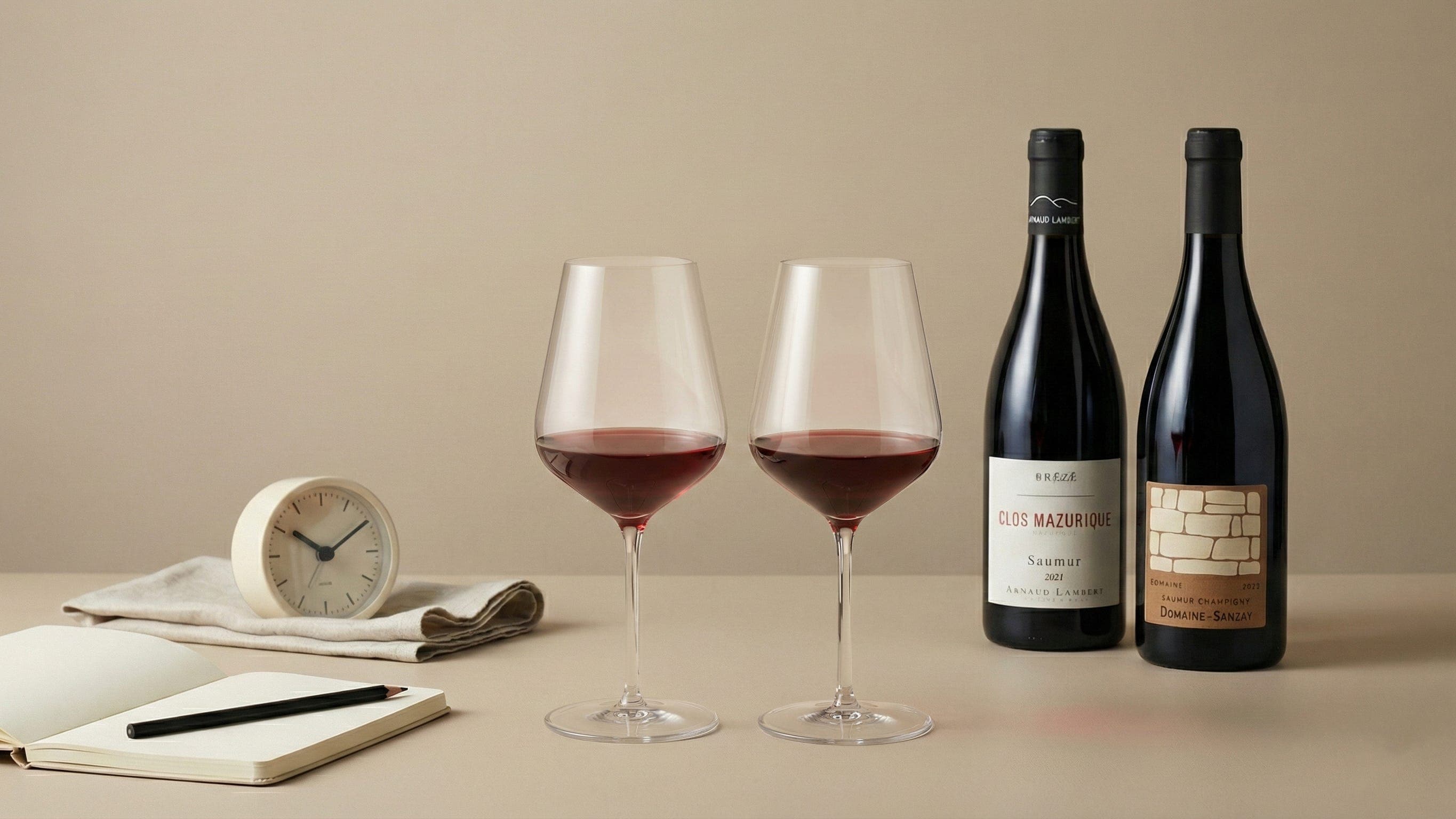
How: Open two bottles—any two wines you have. Pour equal amounts into identical glasses. Take one sip of each, slowly. Set them both down. Wait 30 seconds. Now reach for whichever glass you want.
What to Notice:
- Which one did you reach for without thinking?
- Did you hesitate before choosing?
- If you reached for the “wrong” one (the cheaper one, the one you expected to dislike), notice that. The hesitation IS the signal.
Your hand knows before your mind does. The Pause Test bypasses the noise.
#2: The Reach-Back Test
Objective: Discover which wine keeps pulling you.
How: Pour both wines again. Take a sip of each. Go do something else for five minutes—check email, make a snack, walk away. Come back. Take another sip of each.
What to Notice:
- Which wine improved after the break?
- Which wine felt flat or boring the second time?
- Which one are you already thinking about finishing?
Resonance has persistence. Wines that keep pulling you back have something the others don’t. You don’t need to name it yet. Just notice it.
#3: The Memory Test
Objective: Find what lingers in your attention.
How: Tomorrow morning—without looking at the bottles—write down what you remember about each wine. Not tasting notes. Feelings. Impressions. Which one stuck?
What to Notice:
- Can you remember one more vividly than the other?
- Which one left an impression beyond “it was fine”?
- If you remember almost nothing about one of them, that’s data too.
Resonance is memorable. The wines that stick with you are teaching you something about what matters to you.
The Finish
Most people override resonance because they’ve been taught to defer to expertise. The critic said this wine was better. The price tag suggests this one should be better. The label has awards.
Resonance doesn’t care about any of that.
Your job this week is simple: notice what pulls you before you explain it away. The explanation comes later. First, trust the pull.
What’s one wine moment where you felt something land—and then talked yourself out of it?
Thanks for reading The Polished Palate! Subscribe for free to receive new posts and support my work.